Published on September 23, 2026
New Diesel Exposure Limits Are Coming in December 2026
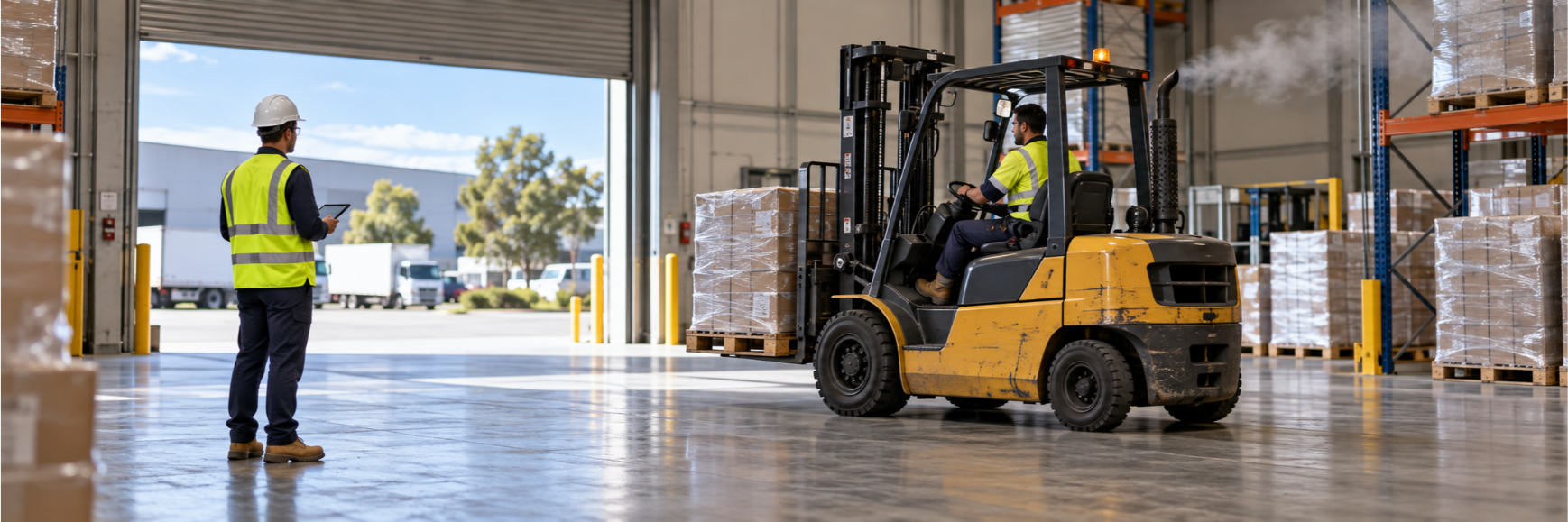
Using Diesel Forklifts Indoors? What Changes in December 2026
If your warehouse, workshop, or loading dock uses diesel-powered forklifts, mark 1 December 2026 in your diary.
Western Australia is moving from Workplace Exposure Standards to Workplace Exposure Limits, commonly known as WELs, for airborne contaminants.
One of the most relevant changes for businesses using diesel equipment is the new national Workplace Exposure Limit for diesel particulate matter, or DPM.
Safe Work Australia’s national WEL list specifies a limit of 0.01 mg/m³, measured as respirable elemental carbon.
This means that businesses should understand where diesel exhaust is being produced, who may be exposed and whether current controls are doing enough.
What is changing?
Diesel engines produce gases and very small particles during combustion. In enclosed workplaces, those emissions can accumulate and increase worker exposure.
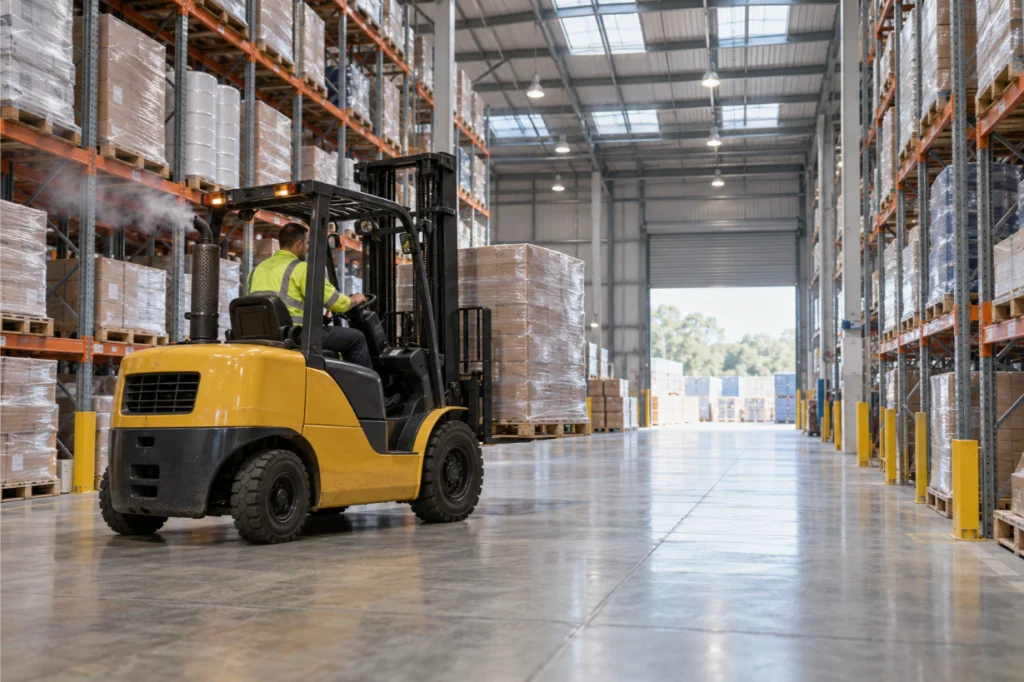
That makes the issue particularly relevant to warehouses, loading docks, workshops and transport facilities where diesel equipment operates regularly indoors.
Safe Work Australia identifies industries including transport and logistics, construction, agriculture and vehicle maintenance as workplaces where diesel engine emissions may be present.
WorkSafe WA is transitioning to the new Workplace Exposure Limit framework from 1 December 2026.
Businesses should check the latest WorkSafe WA guidance when reviewing their compliance requirements, particularly around implementing the diesel particulate matter limit in Western Australia.
USEAGE CONCERNS
Why does indoor use matter?
The working environment makes a big difference.
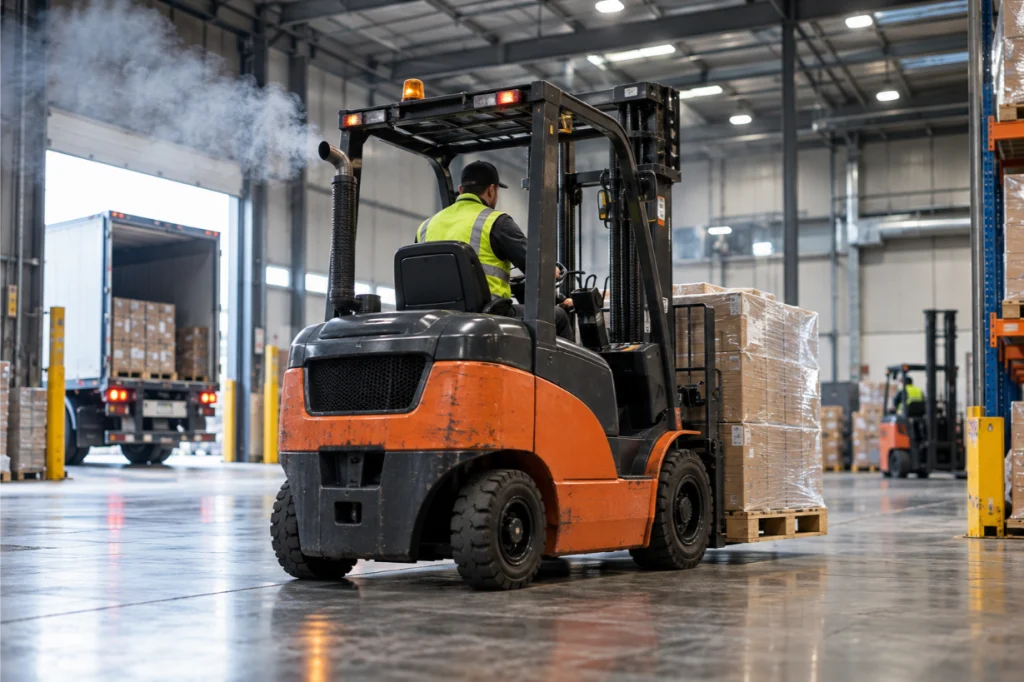
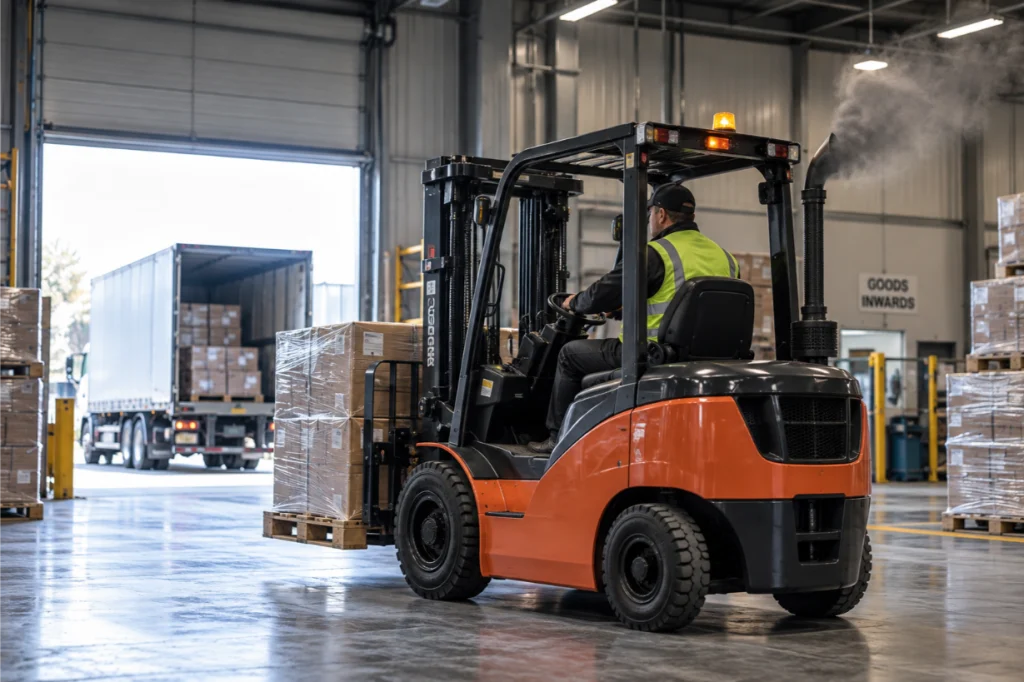
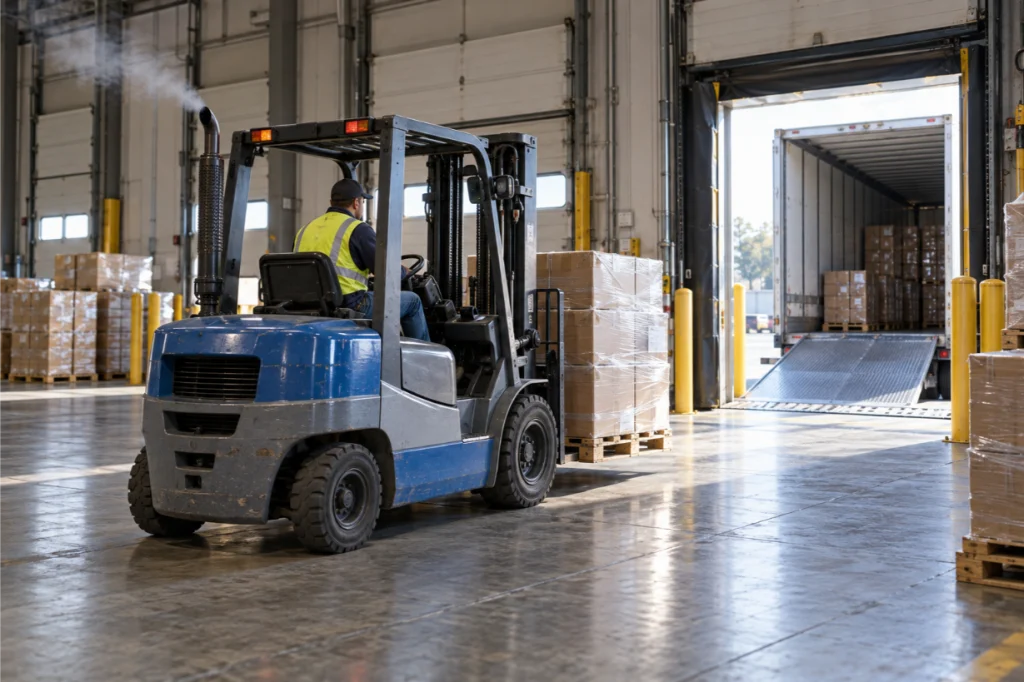
A forklift spending most of its time in an open yard presents a very different exposure scenario from one operating throughout the day inside an enclosed warehouse.
Things worth considering include how long the forklift runs indoors, how well the area is ventilated, how many diesel engines are operating and how close employees work to the equipment.
Loading docks deserve attention because forklifts may be operating alongside trucks and other diesel-powered vehicles.
The question isn’t whether a forklift is diesel. It’s how that forklift is being used.
REVIEW OPTIONS
What should businesses review?
Start with the workplace rather than the forklift catalogue.
A diesel forklift used mainly outside may remain perfectly suitable.
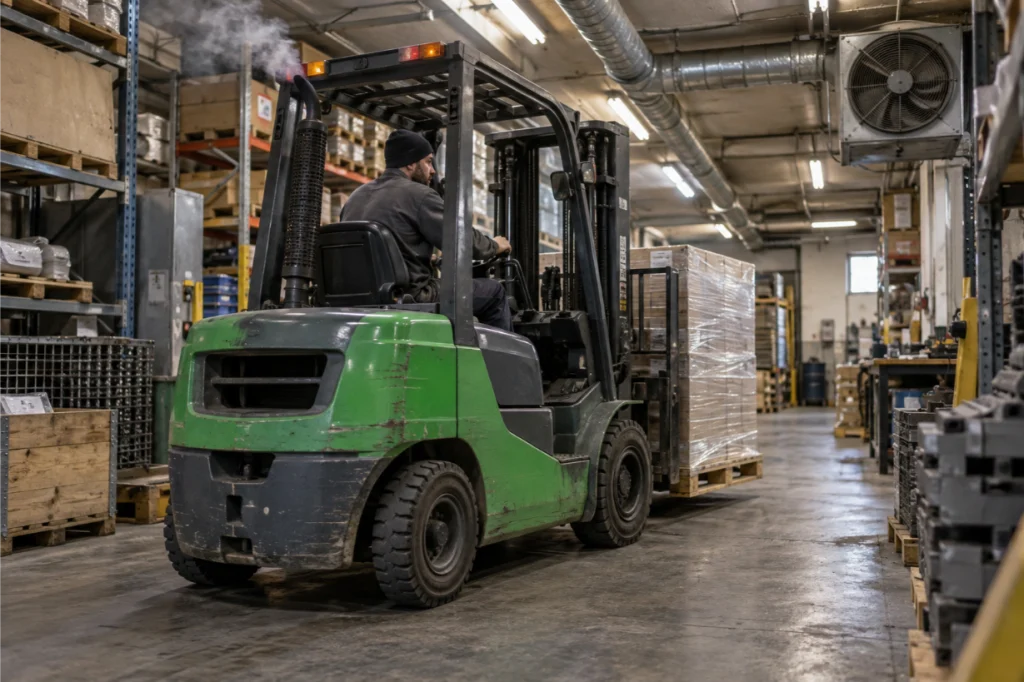
A diesel forklift operating for long periods inside a warehouse should prompt a closer look at ventilation, exposure and machine condition.
If several diesel machines regularly operate indoors, or forklifts and trucks share an enclosed loading area, a more detailed assessment may be appropriate.
Where there is uncertainty about worker exposure, specialist air monitoring may also be needed.
An occupational hygienist or suitably qualified WHS professional can help with that side of the assessment.
Compass can help with the forklift side.
RISK CONTROL
Do you need to replace your diesel forklift?
Not automatically.
The first priority is controlling the risk.
Depending on the site, that could involve better ventilation, changes to working practices, improved maintenance or reducing the amount of diesel equipment operating inside enclosed areas.
For businesses already approaching a forklift replacement, however, the December changes create a sensible opportunity to compare alternatives.
Modern electric and lithium-ion forklifts can now handle many applications that would traditionally have been handed straight to diesel equipment.
That doesn’t mean electric is always the right answer.
You still need to consider capacity, lift height, shift length, ramps, surface conditions, charging opportunities and whether the forklift also works outdoors.
Switching from the wrong diesel forklift to the wrong electric forklift isn’t progress. It’s just a quieter purchasing mistake.
WHAT TO QUESTION
What should you do before December?
There are four useful questions to answer.
1. Where are your diesel forklifts operating?
Identify which machines regularly work inside warehouses, workshops or enclosed loading areas.
2. Who is working around them?
Consider forklift operators, warehouse staff, truck drivers, contractors and maintenance teams.
3. What controls are already in place?
Look at ventilation, equipment condition, working practices and the time diesel equipment spends indoors.
4. Is any forklift approaching replacement?
If so, compare diesel and electric options based on the actual application rather than automatically replacing like for like.
Exposure Limit FAQs
Everything You Need to Know
Got questions about the new diesel exposure limits? Here are some of the most commonly asked questions put to our team.
Are diesel forklifts being banned indoors in WA?
No. The Workplace Exposure Limit changes do not create a blanket ban on diesel forklifts operating indoors. Businesses still need to assess and manage exposure to diesel engine emissions appropriately.
Does the new diesel particulate matter limit apply to LPG forklifts?
The diesel particulate matter limit specifically relates to diesel engine emissions. LPG forklifts do not produce diesel particulate matter, although businesses still need to consider other emissions and ventilation requirements when operating internal combustion forklifts indoors.
Who is responsible for managing diesel exhaust exposure in the workplace?
The person conducting a business or undertaking, or PCBU, is responsible for managing workplace health and safety risks. This includes identifying potential exposure to airborne contaminants and putting suitable controls in place.
Can better ventilation mean I don’t need to replace my diesel forklift?
Potentially. Improved ventilation may form part of an effective control strategy, depending on the workplace and level of exposure. Replacing the forklift is not automatically required. The appropriate solution should be based on the site, operating conditions and a proper risk assessment.
What should I do if I’m not sure whether our diesel forklifts create an exposure risk?
Start by reviewing where the forklifts operate, how long they run indoors, how well the area is ventilated and who works nearby. If you still cannot confidently determine the level of exposure, specialist advice from an occupational hygienist or WHS professional may be appropriate.
Reviewing your forklift fleet?
If your business operates diesel equipment indoors or has a forklift approaching replacement, speak to Compass Forklifts.
We’ll look at the equipment, the site and the job it needs to do before recommending what comes next.
Because sometimes diesel is still the right answer, whereas other times it isn’t.
Forklift Hire & Lease compass
We are here to help
Should you have any questions regarding forklift hire, products, or services, please contact us directly where a member of the team can help.