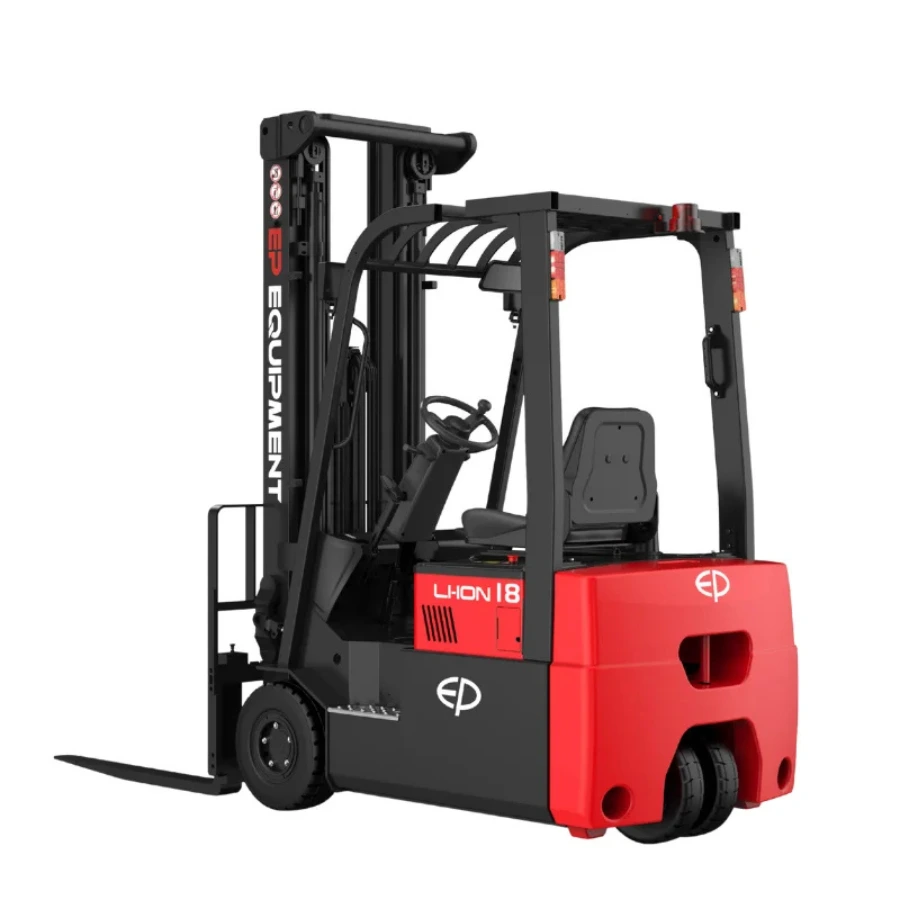
TVL181 80V Dual-Drive 3 Wheel Forklift
Hire from $83.00 per week
Built for tighter warehouse layouts but with more lifting capacity than the 1.5 tonne model, the TVL181 80V Dual-Drive 3 Wheel Forklift is a strong fit for Perth businesses that need compact electric handling with extra headroom on load weight.
- More capacity in a compact 3-wheel layout
- 80V lithium power for stronger shift performance
- Tight turning for narrower aisles
- Buy, hire, or rent to own from Compass
Compact Electric Forklift
TVL181 Forklift Model.
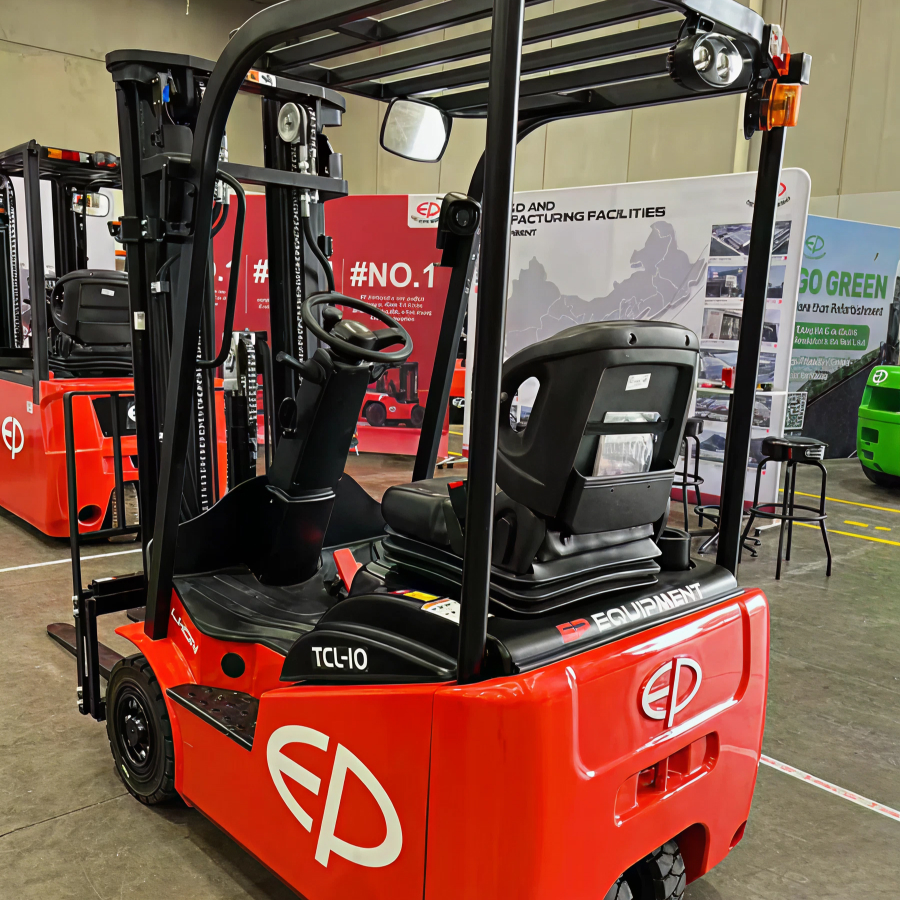
The TVL181 is a 1.8 tonne three-wheel electric counterbalance forklift designed for sites where space still matters, but the 1.5 tonne class is starting to feel tight. EP positions the TVL181 around dual 5.0 kW drive motors, an 80V lithium-ion battery, a compact footprint for aisles up to 3.5 metres, and a 1550 mm turning radius. It also uses the same strengthened mast design as the larger CPD20L2 platform, which EP says improves stability and visibility under load.
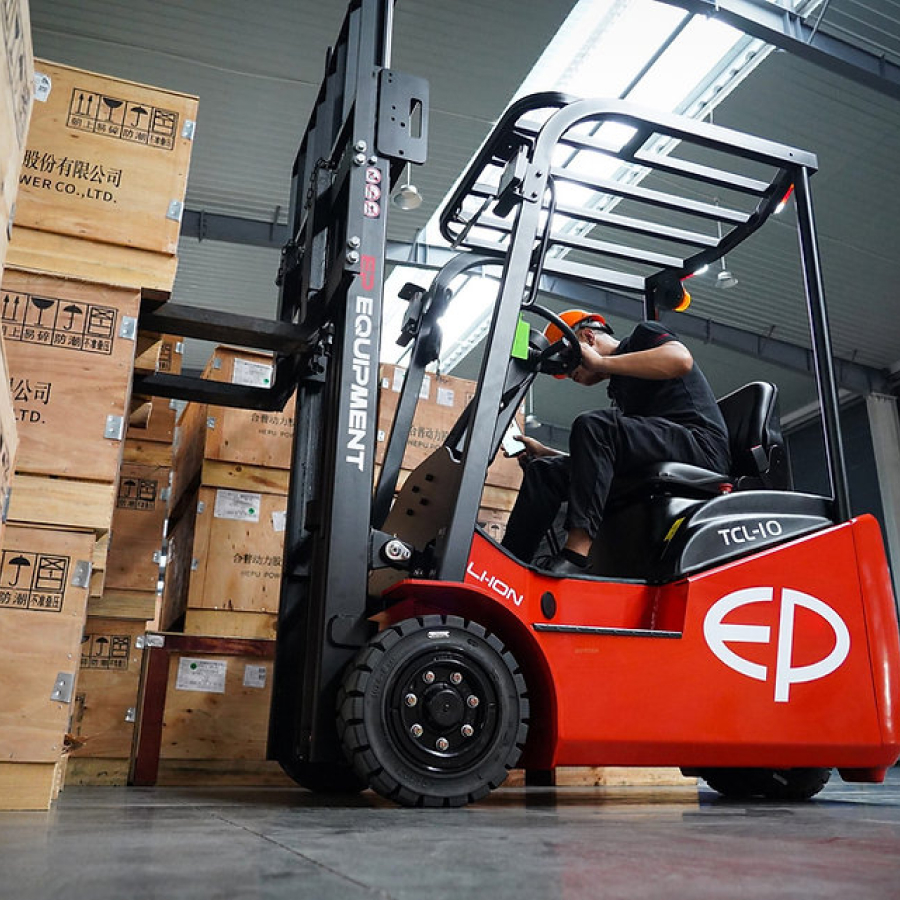
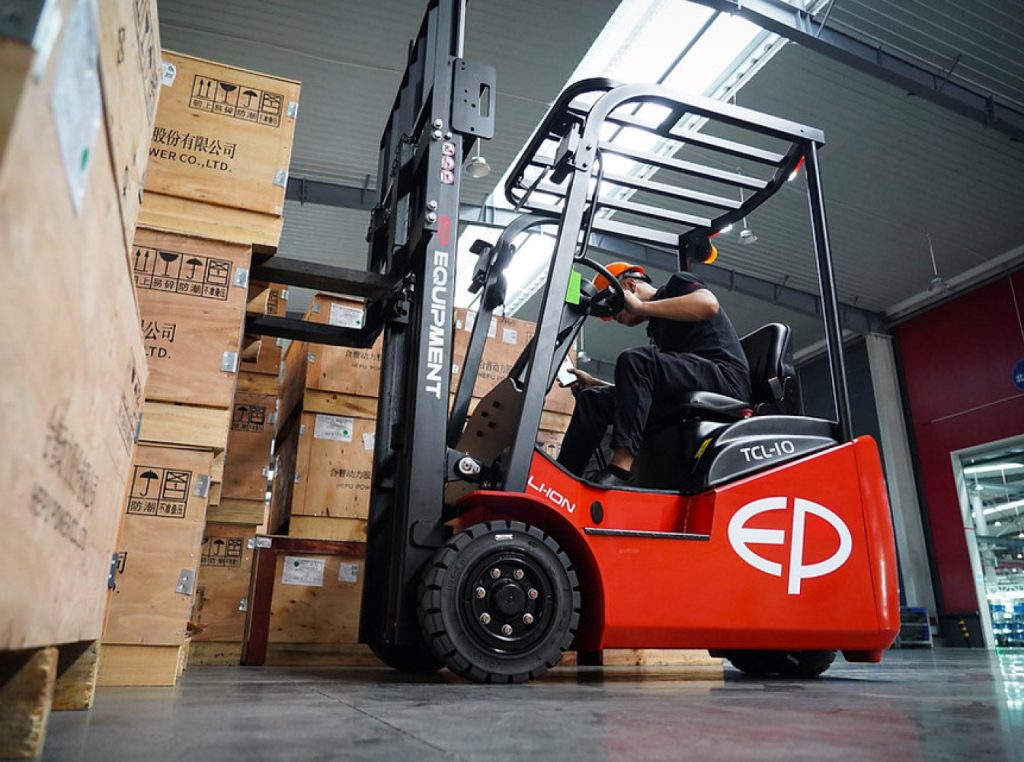
For Perth warehouses, that makes the TVL181 a practical step up when the work is getting heavier but the layout has not changed. It suits tighter staging areas, narrow travel paths and loading zones where a larger forklift can start to become awkward. The integrated charger keeps the daily routine simple, while the 80V system is there to give stronger performance through the shift than a lighter-duty setup.
Technical Details
| Specification | TVL181 |
|---|---|
| Capacity | 1800 kg |
| Power type | 80V lithium-ion electric |
| Drive layout | 3 wheel dual-drive |
| Turning radius | 1550 mm |
| Max lift height | 6000 mm |
| Best fit | Narrow aisles, compact warehouse layouts, loading zones |
| Charging | 35A integrated single-phase charger |
| Warranty | 7-year standard lithium battery warranty |
Compass Forklifts can supply the TVL181 for purchase or hire, with finance and lease options available if buying outright is not the right fit. We also support Perth metro with servicing, repairs and ongoing after-sales support. To check whether this model suits your site, send your typical pallet weight, aisle width, lift height, shift pattern and your Perth location, and we will guide you from there.
TVL181 Forklift FAQs
Everything you need to know before commiting
Here are some of the most common questions about the TVL181, from hire options to performance and suitability.
Is the TVL181 mainly for indoor use?
Yes. It is built for warehouse work, tighter aisles and loading zones where a compact electric forklift makes more sense than a larger counterbalance. EP specifically positions the TVL range for indoor warehousing, narrow aisles and dock or side-bay loading tasks.
What is the main difference between the TVL151 and TVL181?
The TVL181 gives you more capacity. It moves the same compact three-wheel concept from 1500 kg to 1800 kg, while still staying in the narrow-aisle TVL family. EP lists the turning radius at 1550 mm compared with 1450 mm on the TVL151.
How tight a space can the TVL181 work in?
The TVL range suits small warehouses with narrow aisles within 3.5 metres. For the TVL181 specifically, the published turning radius is 1550 mm, and the aisle width figures are 3275 mm for 1000 x 1200 pallets crossways and 3400 mm for 800 x 1200 pallets lengthways.
How long will it run on a charge?
EP positions the TVL series at about 6 working hours per charge. Actual run time will still depend on load weight, gradients, stop-start use and how hard the truck is worked through the shift.
Is the TVL181 a good rental forklift?
Yes. EP specifically says the TVL range is ideal for rental operations because of its opportunity charging capability and simple charging setup. That makes the TVL181 a sensible hire option for busy periods or short-term needs.
Why choose the TVL181 over a 4-wheel electric forklift?
Choose the TVL181 when the site is still tight, but the loads are getting heavier. If you need more capacity than the TVL151 without losing the compact handling of a three-wheel truck, the TVL181 usually makes more sense. A 4-wheel electric becomes the better option when the site is more open and stability in broader work areas matters more than tight turning.